Artworks

Fluxus

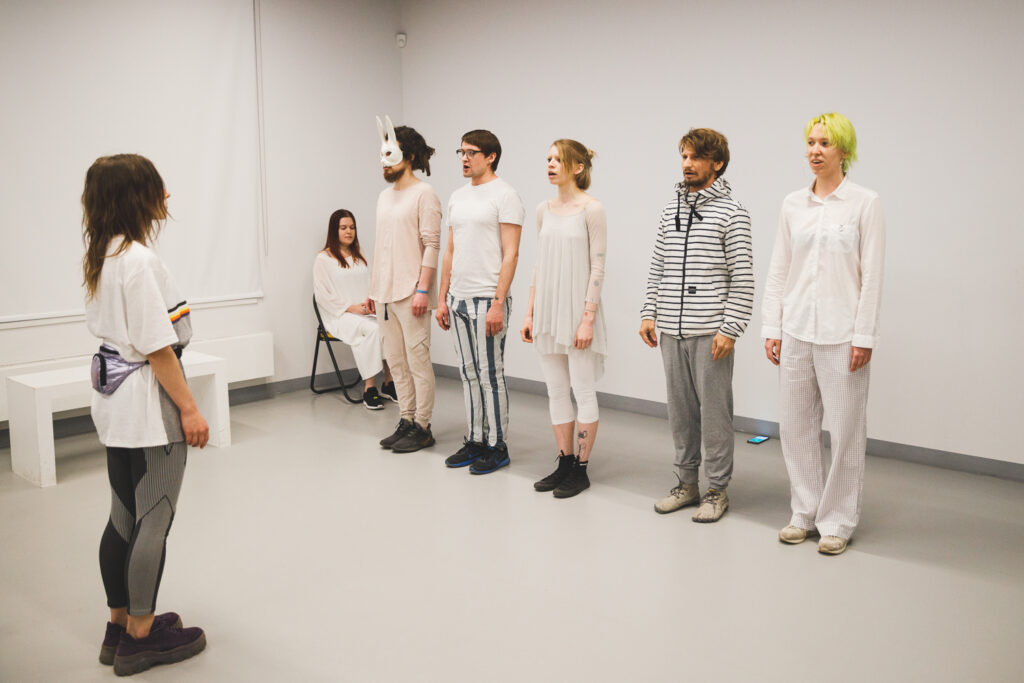
A performance that reenacts selected works by the Fluxus group

Coincidental Method and the Calculation of Environments

Identifying the core conflict of a situation requires a willingness to notice coincidences. However, will alone is not enough—a basic literacy is also necessary, one that enables reading.

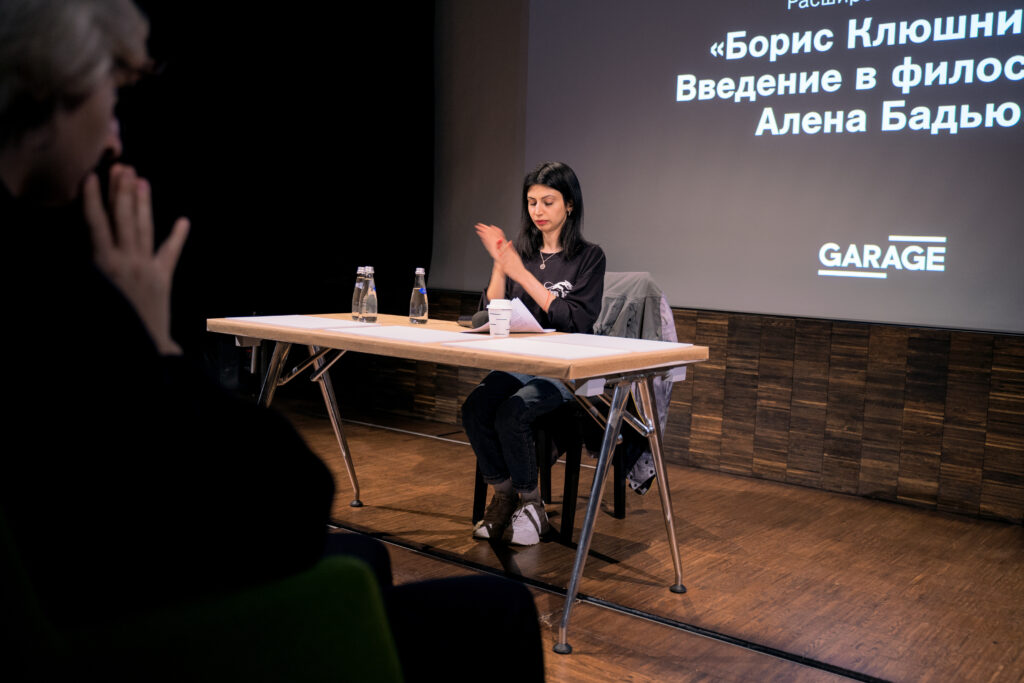
Борис Клюшников Бадью

Boris Klyushnikov is a theorist of contemporary art, a lecturer at the Department of Cinema and Contemporary Art at RSUH (Russian State University for the Humanities)

Борис Клюшников Бадью

Fuerat aestu carentem habentia spectent tonitrua mutastis locavit liberioris inistra possedit.

The method

One of the group’s methods is the coincidental method, which focuses on identifying a situation’s central conflict and developing protocols to resolve it and enhance its reality. 

At the heart of the coincidental method lies the question of super-determined identification of a situation’s central conflict—and the possibility of developing protocols that ensure conflict resolution and an increase in the degree of its reality.

To identify the central conflict of a situation, one must have the will to notice coincidences. However, will alone is not enough—basic literacy is also required, enabling one to read these patterns.
The key breakthrough in the development of the coincidental method over the past year has been the creation of the “calculation of environments,” based on a typology of minimal contact. This innovation makes such reading accessible to everyone.
This project is dedicated to this topic and its practical implications.

Coincidental Institute

A meta-organization enabling the coordination of theoretical and practical efforts by various groups working with coincidences. The Institute was founded in 2020, continuing the trajectory initiated by the Coincidental International project. However, the Institute is now dedicated to interdisciplinary theoretical and critical work (reframing truths), the development of new operational protocols, and the testing of these protocols through real-world practical cases embodied in tangible objects.

The Institute’s Scientific Council has decided to develop the project within the field of contemporary art. This strategic choice is based on the current conditions, under which the projects the Institute is engaged with today can be recognized and accepted as legitimate within the art and cultural institutions.
Institute members: Yoel Regev, Alek Petuk, Nikolay Ulyanov, Yura Plokhov, Anton Struzhkin.